




As Hurricane Melissa, a Category 5 hurricane, unleashed its wrath across Jamaica, students and staff with ties to the island anxiously awaited news. With wind speeds reaching 185 miles, the hurricane tore through the island on Oct. 28, then swept across southeast Cuba and the Bahamas before passing through Bermuda and sending days of torrential rain into Haiti and Dominican Republic.
Families of several BRHS students and staff are among those affected. Communication lines remain cut off, and many have yet to hear from their loved ones.
Sabrina Alkayfee, an 11th‑grade chemistry teacher who has family in Jamaica, shared her insights. “My family has lost their homes, but survived,” Ms. Alkayfee said. “I haven’t been able to contact them directly but we can communicate through hotel calls.”
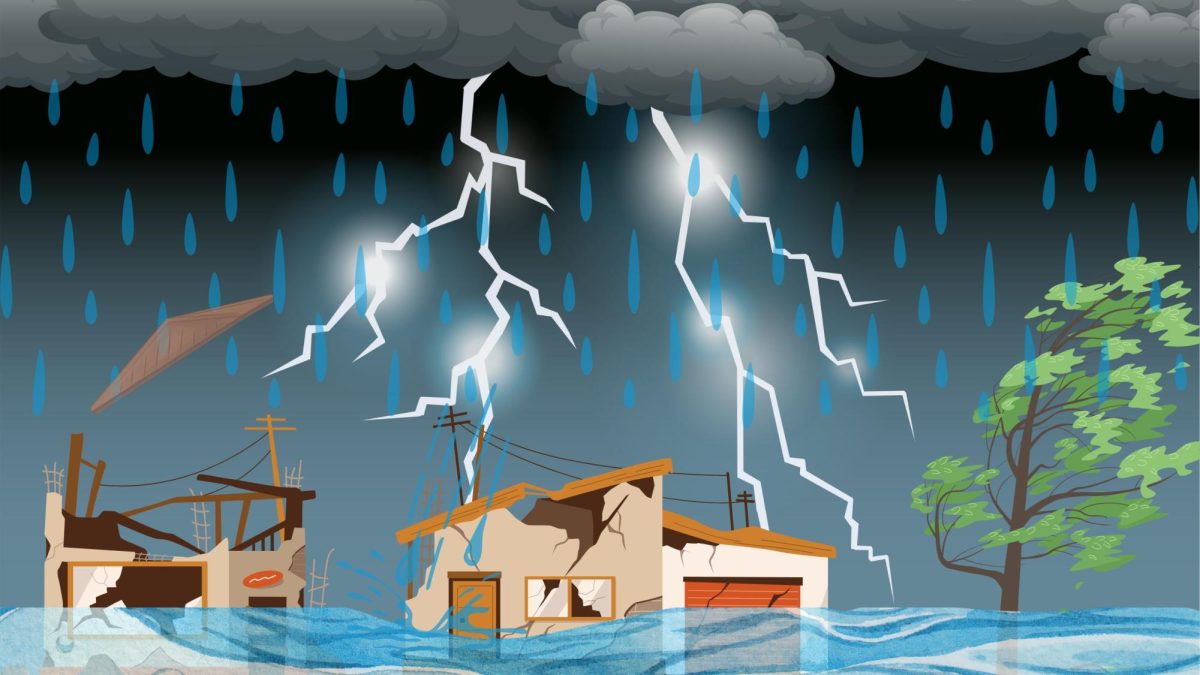
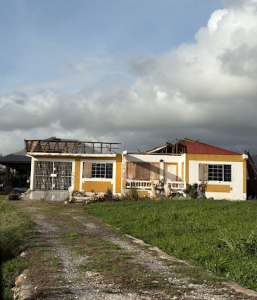
Across Jamaica, six parishes have been declared uninhabitable, and much of the island’s western region now lies in ruins. According to the Office of Disaster Preparedness and Emergency Management, the six hardest-hit Jamaican parishes are Manchester, St Elizabeth, Trelawny, Hanover, Westmoreland and St James. In those areas, winds were so strong they lifted entire houses, ripped roofs from buildings and flung debris through the air. Zinc and board houses collapsed, along with shops that were swept away and many other structures demolished.
Britana Owen, a senior who grew up in Kingston, Jamaica says the after-effects are heartbreaking. “Hurricane Mellissa has deeply hurt both me and my country,” she said. “The land of wood and water has become the land of dirt and mud. I’m in disbelief of how many people Hurricane Melissa has left homeless.”
Owen said that many Jamaicans didn’t anticipate the storm’s severity. “At first they made jokes about it, but when it hit the western parts of Jamaica, it became a call for emergency,’’ she said. “ People’s houses were flooded to the brim of their rooftops, and some couldn’t escape.”
Despite the chaos, she said, people have come together to rebuild. “Since the storm, people have definitely been helping out. Flying in to help our island with different resources and bringing anything they have like clothes, food, or even materials to help build back the communities.”
Numerous artists and organizations have also stepped in to support Jamaica’s recovery.
Another senior, Jordin Brown, who has relatives in Portland, Jamaica, says she’s been waiting for news. “Ever since the hurricane, I haven’t been able to communicate with some of my family because the power’s been out. We’re just patiently waiting for a call back or any good news,” she explained.
As reported by ABC News, hundreds are now without shelter or food. Rescue teams continue searching through the wreckage as the death toll climbs.
Brown added that the relatives she did get in contact with, are struggling with shortages of basic necessities. “They don’t have any food, water, or a good house to lay in,” she said. “But many people are coming together to help make Jamaica a better place again.”
For others, the impact extended beyond Jamaica. Annkiara Bourdeau, a senior whose family lives in Haiti, said she was terrified when she couldn’t reach them during the storm. “On the day of the hurricane, I kept calling home, and nobody answered,” she said. “I thought the hurricane had hit where I lived. Luckily, it didn’t but it still affected parts of Haiti.”
She said the destruction in towns like Petit-Goâve was severe, with roads broken, cars buried and homes flooded. Bourdeau hopes more people will pay attention to the vulnerability of Caribbean islands.
“I want people to understand that Caribbean countries often face natural disasters and many people lose their homes and lives,’’ she said. “We need more support and safer places for families to go when disasters happen.”
The Jamaican government has confirmed 45 deaths so far from the hurricane, with more still being verified.
As one survivor told Jamaica Homes News, “We may bend, but we will not break,” showing that hope endures even after Hurricane Melissa’s destruction.