















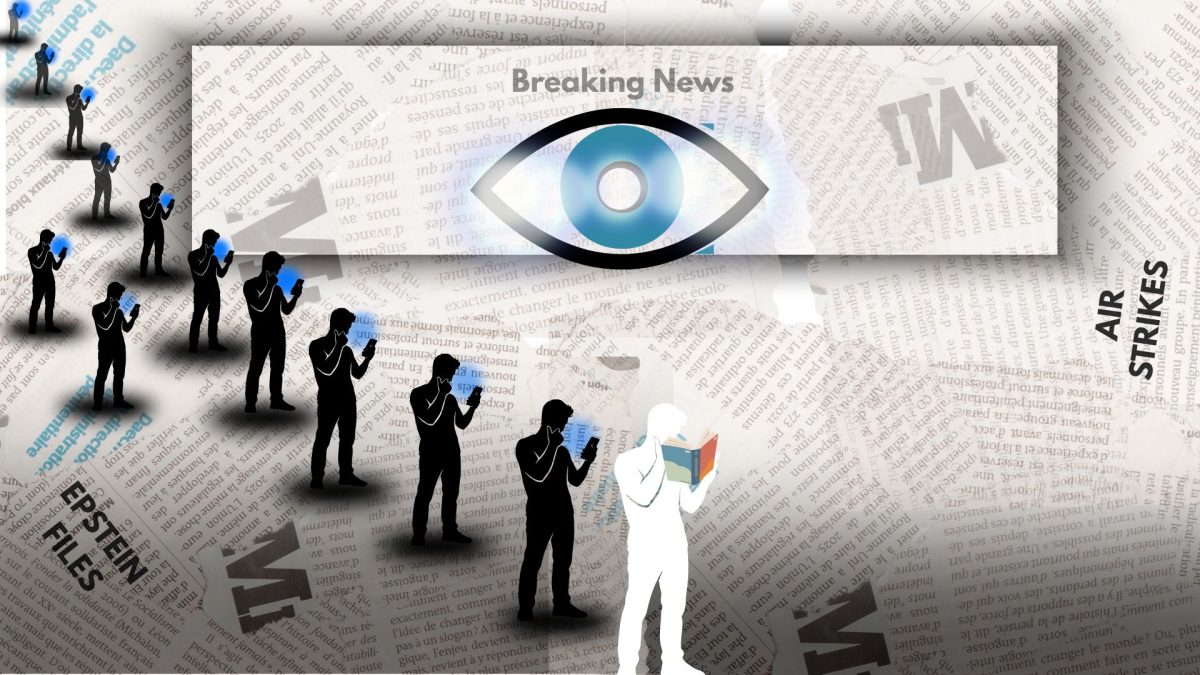





In today’s modern and ever-changing world, it seems as though society experiences major historical events almost every single month. Whether it is the ongoing wars in Palestine or Ukraine, regime instability in Iran or Venezuela or controversies like the Epstein Files, global crises appear constant and unrelenting. Nowadays, headlines do not last so long. People move like cattle, grazing on one story until satisfied enough to move on to the next without care.
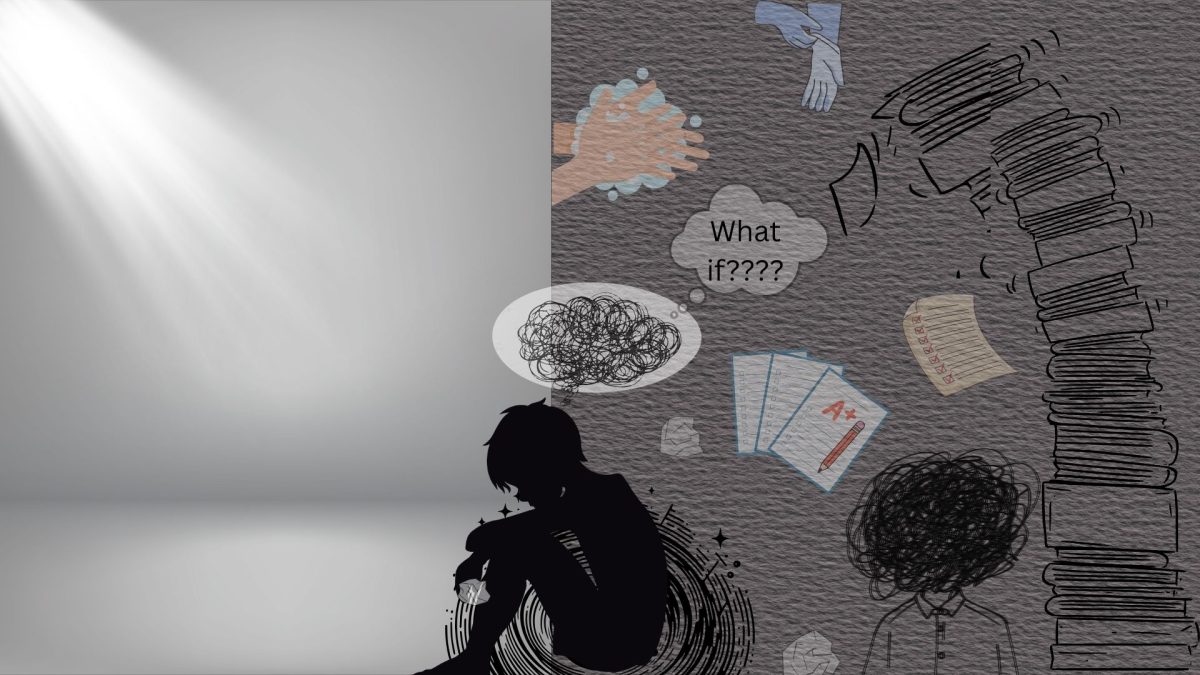
The rapid pace of the news cycle, combined with the overwhelming volume of information online, has shortened our collective attention span and weakened emotional responses to serious events. In Psychology Today, Robert T. Muller, Ph.D., states, “When wrongdoings go viral, more people find out about it, but each person cares a little less,” suggesting that repeated exposure to distressing headlines reduces emotional sensitivity over time. As a result, events that should provoke sustained outrage instead become temporary moments of concern, quickly buried beneath the next wave of breaking news. This creates a dangerous cycle in which awareness increases, but meaningful engagement declines. It is not that people no longer care; they are overwhelmed.
As of now, the news no longer seeks the reader’s understanding; instead, it seeks views and clicks. Algorithms are designed for sensationalism and to make money, not to explain stories. Stories are selected not for their importance, but for their ability to capture attention in the shortest amount of time. As a result, the normalization of crises is unavoidable, leading to the absence of sustained public reaction, which allows those in power to operate unchecked.
In 2026, American politics has been marked by controversy and escalating tensions. Reports indicate around six immigration detention centers, with the shootings of Renee Good and Alex Pretti occurring early in the year. At the same time, the U.S. and Israeli military have attacked Iran with large-scale airstrikes on strategic targets, one hitting a girls’ school, killing around 150 and wounding almost 100. Additionally, Trump has clashed with media organizations with threats directed at news outlets over coverage of Iran. He has also pressured allies over his claim on Greenland. And most importantly, the name “Trump” has been mentioned in the Epstein Files, a global pedophilic scandal involving many members of the bourgeoisie, roughly 1,000 times.
Individually, each of these events should demand sustained public attention; however, in a culture driven by constant information flow, they are often reduced to fleeting headlines. In the words of Vladimir Ilyich Lenin, “There are decades where nothing happens, and there are weeks where decades happen.” So, “what is there to be done?” In short, “Study, learn more, learn forever .”
Sanjay Persaud, a 10th grader, is a contributing columnist for the Bronx River News.