











As the weather warms up, teens are tempted to dive into the water. The only problem is not everyone can safely do so. The ability to swim – or not – often depends on race and income, especially in the Bronx.
A Bronx River News survey of more than 100 students reveals about 32 percent don’t know how to swim while 30 percent know just the basics. Of the 37 percent who say they can swim, only nine percent took formal lessons.
According to the American Red Cross, 64 percent of African-Americans, 45 percent of Hispanic/Latinos and 40 percent of Caucasian children have very little, if any, swimming skills. And in households where the income is less than $50,000, 79 percent of children don’t know how to swim.
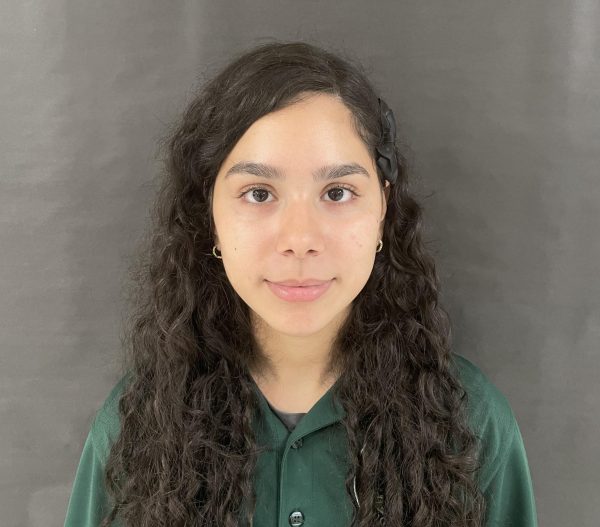
Jomayra Amparo, a senior, never really went to the beach or pool growing up.
“I would usually just stay home or go to the park during the summer,” she said. “My parents never really wanted to go out during the summer because of heat exhaustion. It also would’ve been a lot of work since I have a lot of siblings, and they would have to bring food and drinks for all of us,” she said.
“We didn’t have extra money for swimming classes and it was never really a concern for my parents,” Jomayra said. “When I want to swim, I stay very close to the shore and if I’m going deep then I usually have someone who knows how to swim with me.’’
Families’ views of swimming also can play a factor in who learns to swim.
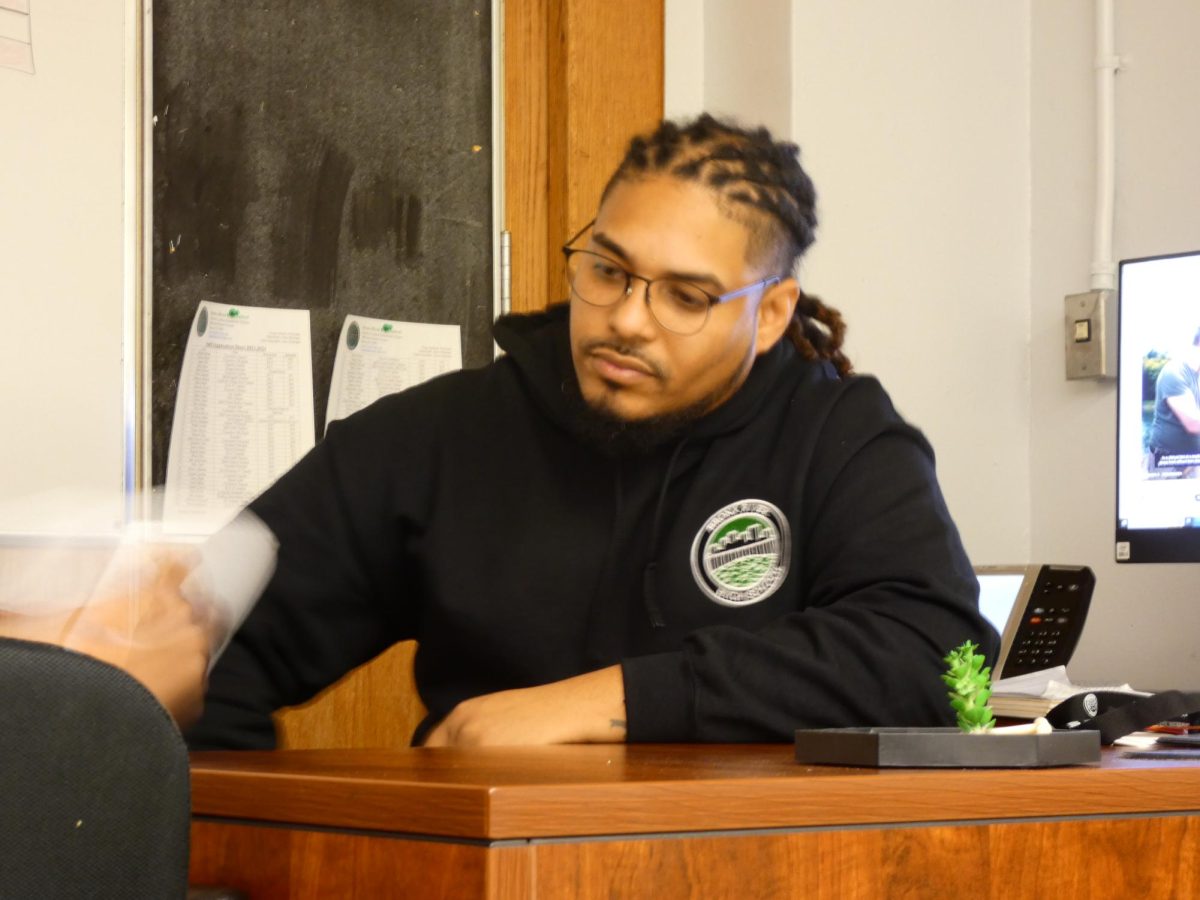
Abraham Zuniga, a math teacher, learned how to swim at a young age because “my family always thought it was necessary to learn,” he said. “I’m glad to support a potential program for kids to learn to swim. It’s an ability that most people will need at some point in their lives.”
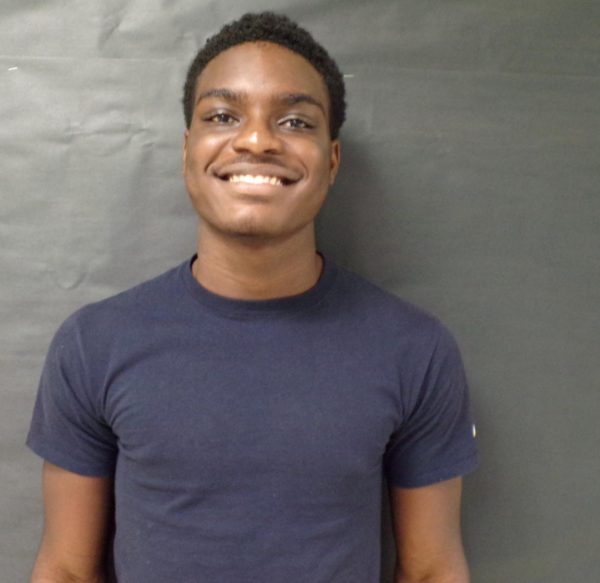
Avery Kelly, a junior, who grew up going to a beach club with his family and friends, has been a lifeguard since 2024.
“My grandpa threw me in the water when I was little, so I got used to it,’’ he said. “It was years of swimming and having a beach near my house, so I’ve always been around water. They have races in beach clubs, so I got a lot of experience.’’
Avery believes knowing how to swim is important – and not just for safety reasons.
“I’d be so much less athletic and wouldn’t do most of the things I do now if I didn’t learn to swim early on,’’ he said. “I wouldn’t experience the things I did, like races, and that would be terrible because swimming should be a default. Everyone should know how to swim,” Avery said.
Location matters
The NYC Comprehensive Waterfront Plan says 90 percent of Manhattan residents who live within half of a mile of the waterfront can easily access the body of water, but less than half of Bronx residents within half of a mile of the waterfront can access it.
Forty-six percent of Bronx River students blame the lack of access to water for not knowing how to swim. Another 35 percent also say they didn’t have anyone to teach them to swim, so they never learned.
Adam Alzawakari, a senior, never really had the time to learn to swim due to work and school consuming his time.
“If I knew how to swim, I would be more confident jumping into the water and I’d start going more often,” he said. “For now, I stay in the shallow part of the water. I just dip my toes in it.’’
When he goes to the pool or beach with friends, he isn’t able to join his friends when they jump in the water. “I’m scared to go in the water, but my friends can easily go into the deep side,” he said.
Even so, he’s not ready to sign up for lessons. “I don’t think swimming is an important skill to have,” Adam said.
Like Adam, about 13 percent of the survey respondents aren’t interested in learning to swim. But 87 percent did show an interest. For Bronx teens who want to learn, here are two options:
- New York City is offering free Learn to Swim classes for students up to age 17 at Van Cortlandt Pool, the Crotona Pool and the Claremont Pool in the Bronx. New Yorkers can register for classes at www.nycgovparks.org/events/learn-to-swim.
- The PSAL High School Summer Recreation Program allows students to participate in recreational sports during the week such as basketball, track and field, football, and swimming. Not all locations have a pool but those that do provide swimming programs. More info can be found at https://www.psal.org/events-and-standings/summer.aspx