
















Mental Health, the social and emotional state of your mind, has become an important issue for many adolescents, raising questions about students’ access to school-based support such as counselors, social workers and other trusted adults. According to global estimates from the World Health Organization, depression affects 1.3 percent of children aged 10 to 14 and 3.4 percent of those aged 15 to 19. At Bronx River, the response to these challenges is a mixture of professional support and personal coping mechanisms.
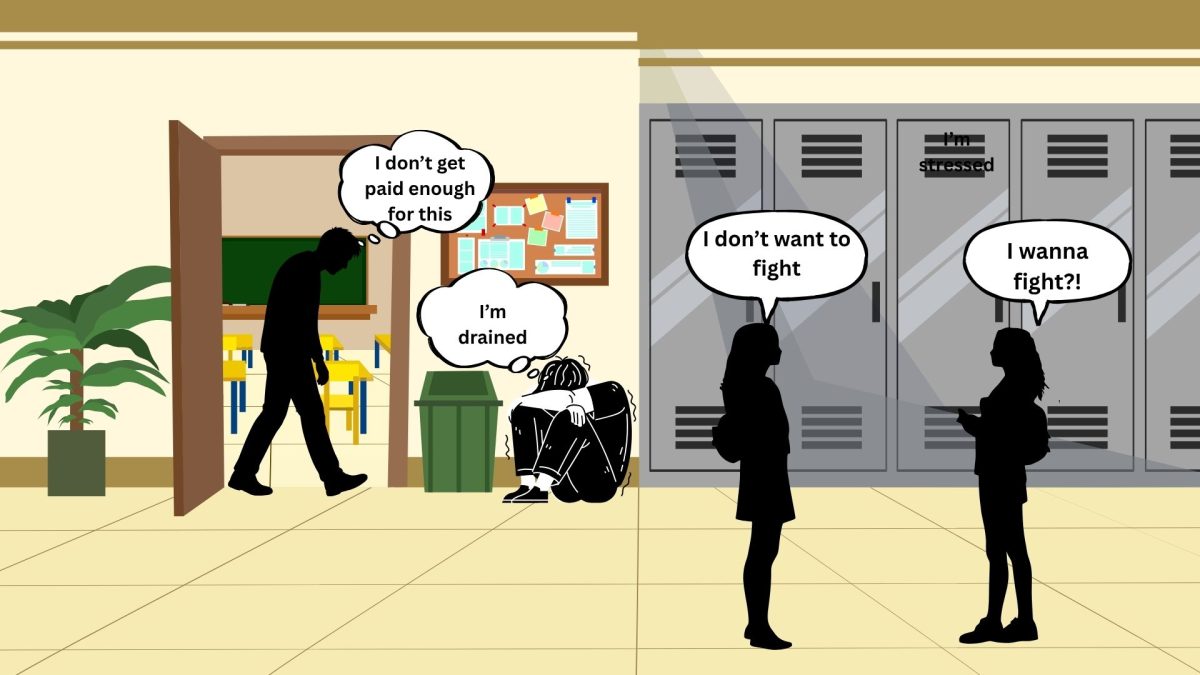
A school counselor said staff members sometimes see students who appear upset in the hallway and believe students may need clearer support options. At Bronx River, students and staff are sharing different views about mental health and what they do to cope.
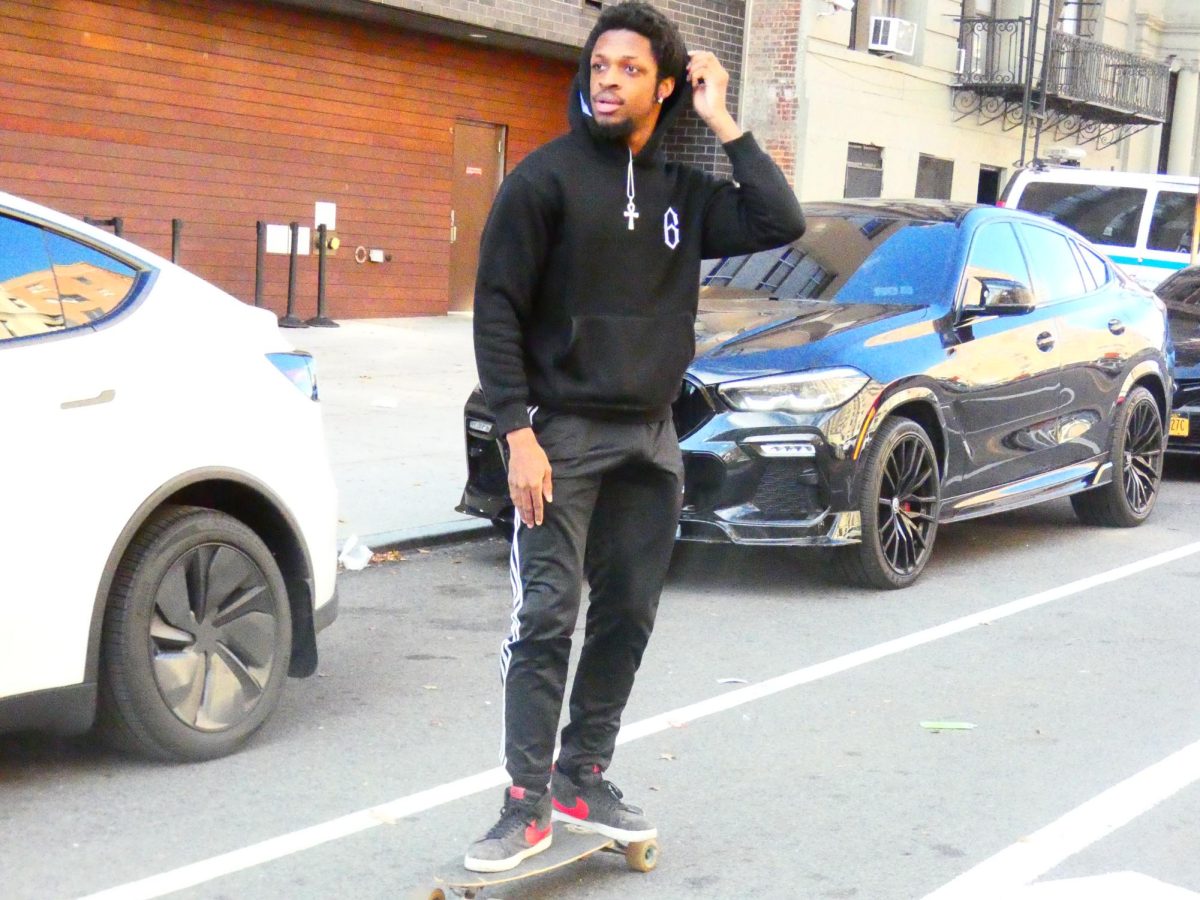
“There was a point in my life where a girl broke my heart and I was really hurt,” said Wilson Conception, a sophomore. “Mental health messes with your head and causes you to overthink a lot.”
To manage the emotional weight, Wilson turned to physical activity. “I started to go to the gym and play basketball to ease the pain and get stronger both physically and emotionally,” he said.
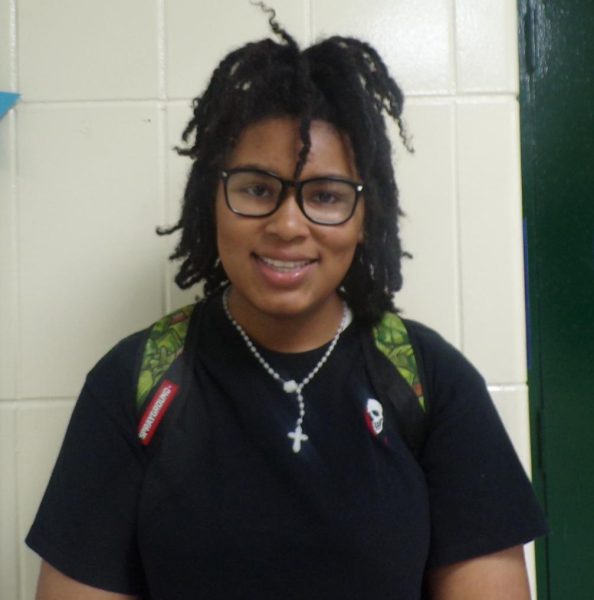
For others, the struggle is more internal. Erianny Ramos, a freshman, noted that while mental health is a frequent topic of conversation, the reality is often masked.
“Honestly, we’re never OK,” Erianny said. “We tend to fake it till we make it.”
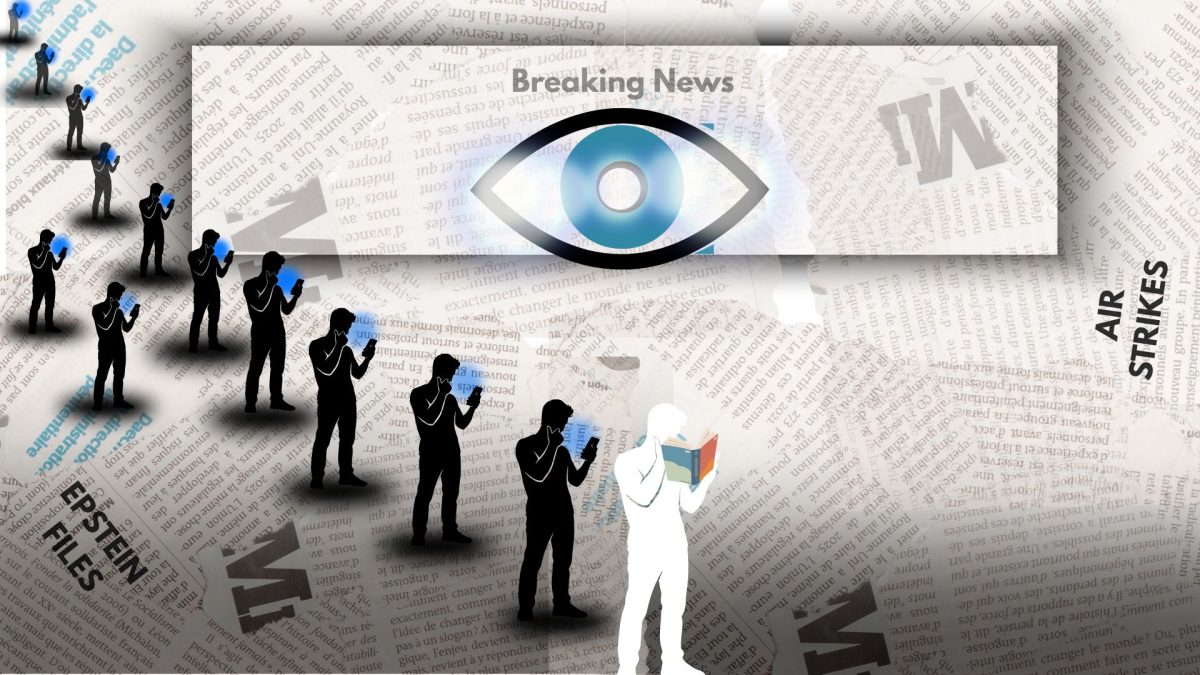
Erianny pointed to the intersection of academic pressure and digital life as a primary source of instability. “Mental health gets shaky when schoolwork is stressful, but cyberbullying also plays a part because it can cause suicide and negative thoughts,” she said.
She advised those struggling to prioritize self-care: “Take a day off to collect yourself because not everyone is able to deal with it every day.”
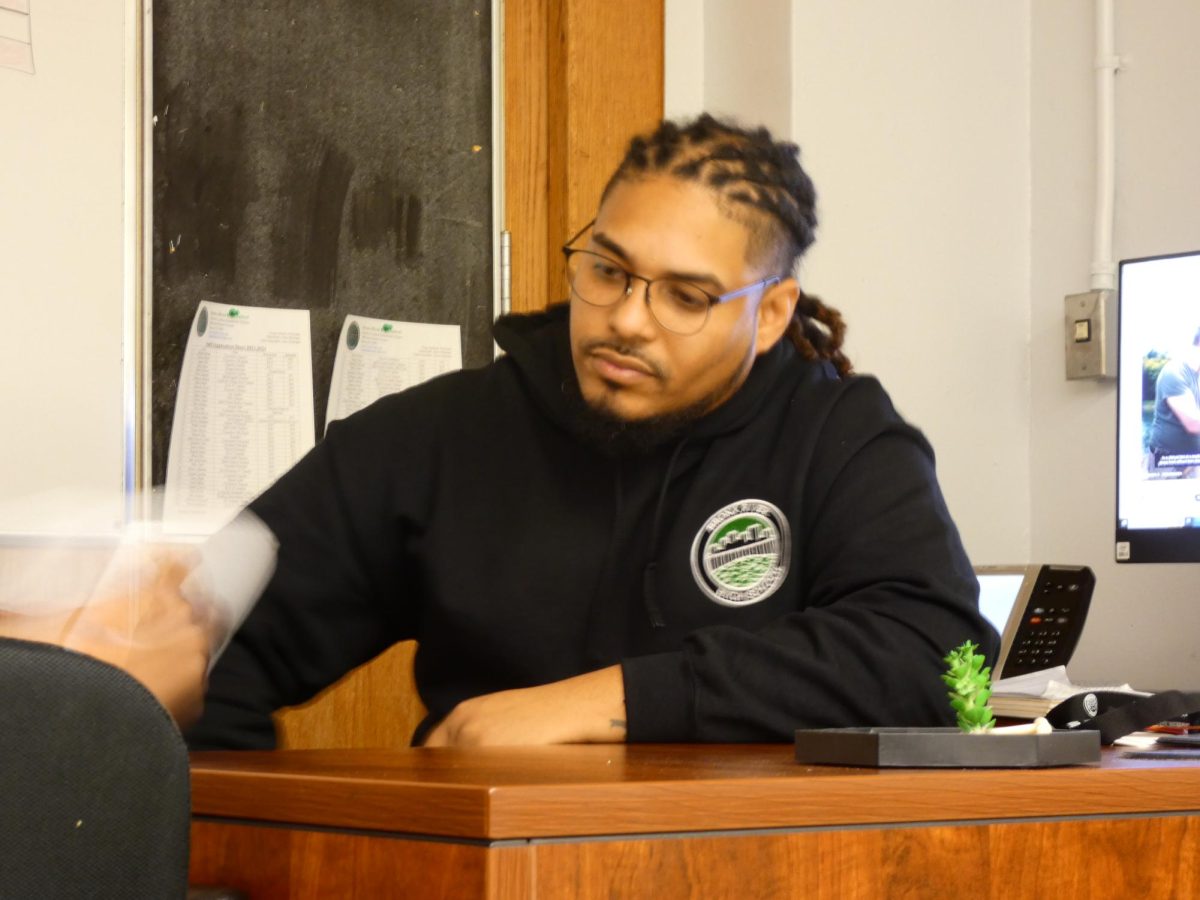
The pressure is not limited to students. Charley Ruperto, a special education teacher, said his stress levels are currently “manageable,” but tied to the realities of adulthood, such as paying bills and planning for the future.
Mr. Ruperto echoed concerns regarding the digital environment but suggested a proactive approach to technology. “Social media plays a big role in mental health because everything is extremely negative,” he said. “To help with that, I change my algorithm to motivation quotes and all positive things.”
School staff are noticing a shift in how the younger generation views professional help. Shavon Evelyn, the 10th-grade guidance counselor, said students have become more open to therapy in recent years.
“Social media is especially negative on self-esteem and emotions, and we need more positive influences,” Ms. Evelyn said. While she provides check-ins, she encourages students to seek external therapy for long-term support.
Ms. Evelyn’s primary advice for those in the midst of a crisis is simple: “Try to find at least one positive thing to think about every day and engage in activities that get your body moving.”
Assistant Principal Tene Kelly recently identified “suffering in silence” and body image issues as the primary mental health crises currently overlooked by school staff. She noted that many students are paralyzed by common obstacles like breakups and of failure, often mistaking silence for strength.
Ms. Kelly challenged the traditional definition of resilience, stating it is not about “getting over it,” but rather having the tools to navigate a challenge. Reframing the stigma around seeking help, she said, adding that true power lies in communication rather than conflict.
While many students still feel the pressure to “fake it,” school administration is pushing for a culture where vulnerability is viewed as an asset rather than a weakness. As Ms. Kelly noted, the shift away from suffering in silence is essential to student success. “ Physical violence is the weakest resolution,” she said. “Vulnerability is the greatest strength.”