






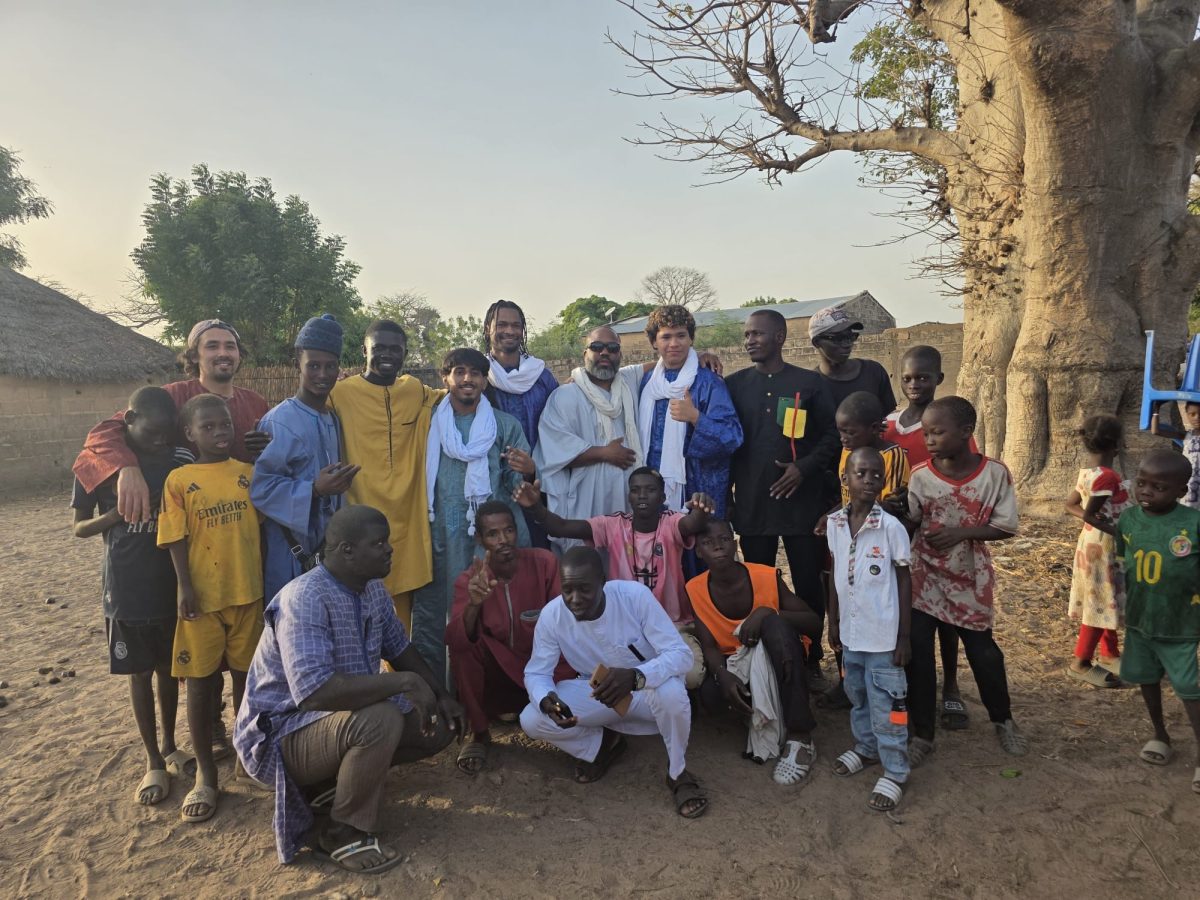

When most NYC students think about “building” their resumes, they’re usually sitting in a library. But for a group of local teens, building a future meant picking up a shovel in Senegal.
BuildOn is a nonprofit community service organization that partners with communities overseas to build schools in a program called Trek. The organization runs service-learning programs in U.S. high schools that have fewer resources.
This year in February, Pablo Terrero, a sophomore at BRHS, traveled to Senegal to help build a school with costs covered by the buildOn.
Through the buildOn Trek program, students aren’t just tourists; they are partners in a “cycle of learning” that spans continents. According to program leaders like Brenda Doctor, the work is “very fulfilling,” but it isn’t a one-way street.
Senegal has an established partnership with the organization because the community specifically asks for these schools. By hiring local residents to teach the students and even running night schools, the program ensures the education continues long after the Americans fly home.
BuildOn Trek is about bridging the gap between a New York borough and a West African village. Everything from the transportation to the training is provided, but the real “cost” is the commitment to share the experience once they get back.
By the time those 12 days are up, these students haven’t just built a school; they’ve built a perspective that you simply can’t find in a textbook. As the leaders put it, it’s about making sure “American kids” see the world, understand their impact, and realize that the most important thing you can build is a connection with someone else.
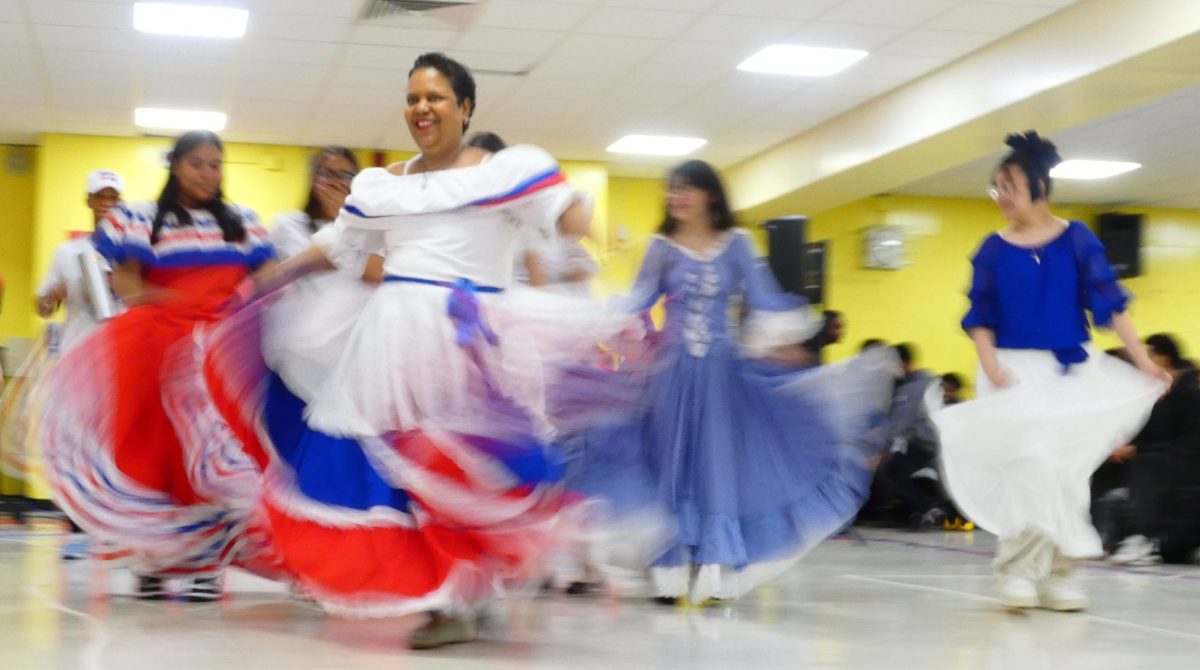
“It was great, once we landed we were greeted with a ceremony and dances with the community,” Pablo said. He viewed his experience in Senegal “as a great opportunity to help.’’
“We went to build a school to provide education for the kids and have somewhere to learn. The classrooms before were in critical conditions that asked for help.”
The group later met their host family. “I was scared at first, but the community around us helped us be more comfortable,” Pablo said.
“I even felt like I lived there. The dedication and respect they had for us was amazing. I loved the community the most,” he said. He plans on going again next year, possibly even twice.
The 12-day experience is a whirlwind of orientation, construction and deep cultural immersion. It’s not all hard labor, though; the heart of the trip happens during lunches and shared food. Students spend their days learning the local culture and cooking traditional meals with their hosts.
This isn’t a “free” vacation; participants sign agreements regarding their school, grades and sports commitments before they ever step on a plane. Even back in New York, the students are expected to “pay it forward” by volunteering at local food pantries and after-school programs, helping the city get out of its own “debt” of service.
Safety is the invisible backbone of the entire operation. The leadership team detailed a rigorous “7-point” security net that would make a Secret Service agent nod in approval. Emergency vans, satellite communications and a constant line to the U.S. Embassies are just some methods of security.
With staff coordinators and international medical and political evacuation advisors on standby, the program ensures that every student is protected. Even the “on-screen participants” and first responders are part of a coordinated effort to keep the focus on the mission, building a safe space for kids to learn.